
Dear Friends,
I am so happy to share this new episode, filmed some months ago but still fresh! I loved chatting with John White of Waves4All, the group that I and several Spellers go surfing with. He has built an amazing community for adaptive surfing and it is a highlight of my month to join the Waves4All group surf on the final Sunday of each month!
It is such a great model for other clubs and I hope that any friends in San Diego or passing through are able to join us one of these days! Thank you John!
You can watch the interview below, and read the full transcript.
Learn more about Waves4All: http://www.waves4all.org/ and Waves4All on Facebook Learn about the TruFit Adaptive Fitness App: https://gettrufit.com/
Your Friend,
Danny
TRANSCRIPT
Throughout this interview, John shared photos on his Zoom background. We have not described all of them in the transcript below yet – they include photos of Waves4All activities, including surfing and sailing, as well as a preview of the TruFit Adaptive Fitness app
Introduction
D: Hi my friends!
T: Hi, Danny!
D: I am so basking in the afterglow of an amazing snorkel!
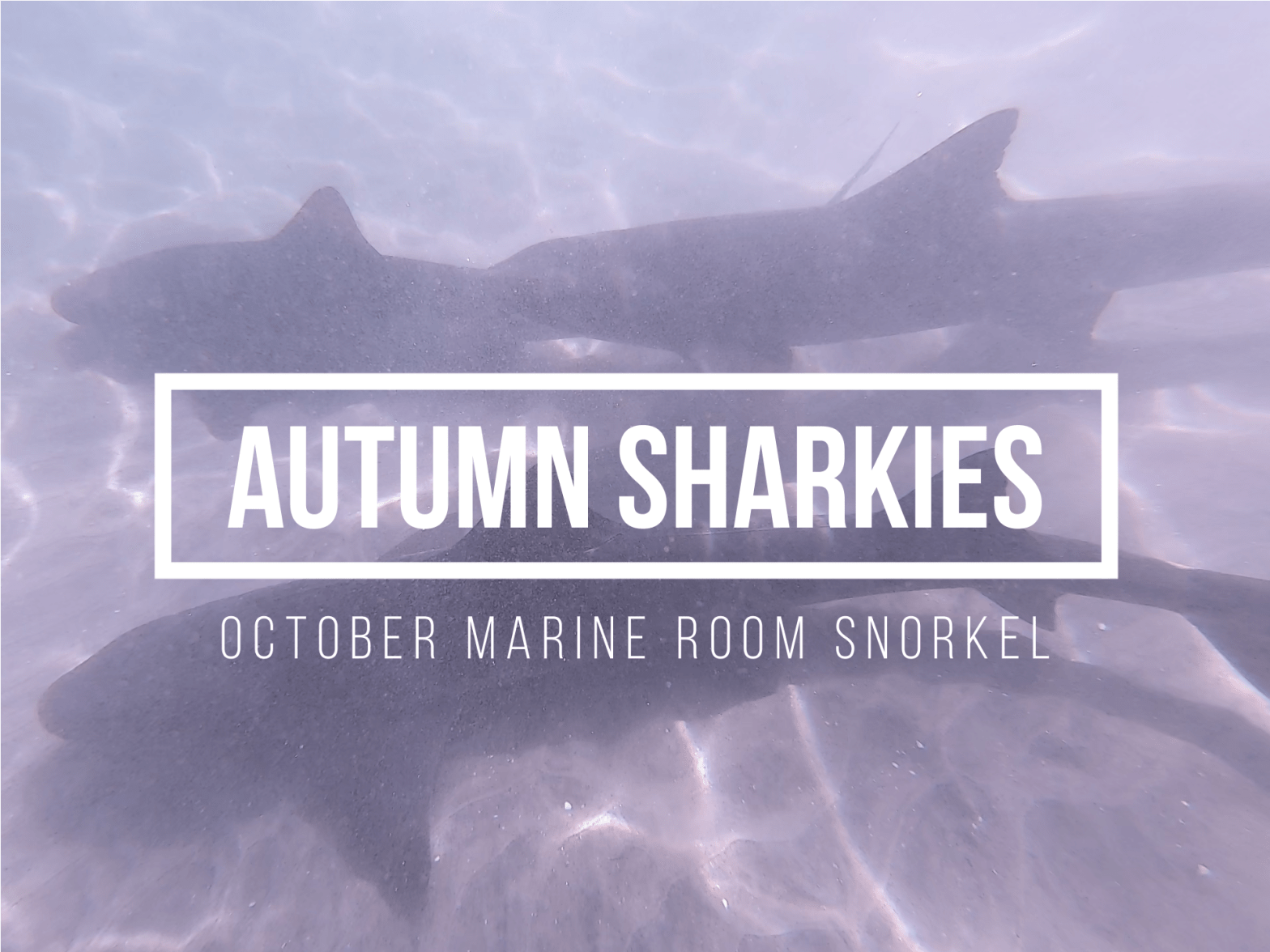
T: Yeah, it was pretty fantastic! We went out at the Marine Room here in La Jolla, and saw so many leopard sharks, as well as some rays, and it was just a beautiful day to be out on the water.
D: So good!
T: And your stamina is really coming along. Danny was out there just calm and comfortable – that’s one of the longer snorkel sessions we’ve had.
D: Absolutely! And I am so glad to be filming this introduction to the next episode. I so wanted this to be a regular podcast, but it is so hard with all that we have to fit in. And so I am accepting that it will be a monthly thing for now!
T: Yeah… Danny really wanted to make this, like he said, more regular, like once a week posting a video/podcast and finding a way to make it audio-based only. And that can still happen, we’re still planning on going back to older episodes and figuring out how to make them audio-only. But it’s just not going to happen now. Danny’s got a lot of activities he’s involved in; I am also trying to make a living as a freelancer. And Danny’s working on a lot of his skills that require my time and support. So, some things just fall through the cracks, and making this a weekly or bi-weekly thing is just not feasible this year. But we can still post things once a month, and I’m sure people will still appreciate it.
D: Absolutely. And now to introduce this episode: we chatted with John White of Waves4All and it was an awesome interview!
T: Yeah, I really enjoyed it. John’s just a very enthusiastic and sincere person, and I think that’s probably the reason why you have really grown to love being part of the Waves4All community. You and many Spellers as well as people with many other disabilities.
D: Totally! He is so genuinely wanting to share the joys of the ocean with us and we feel so part of a family!
T: That’s great. And of course, Joshua Greiner talked about how special Waves4All is in the previous episode, and it’s a really great thing to see pretty much every month. To show up at the beach and see this group of people come together to just get people out in the water. Yeah, I love it.
D: He is so inspiring and so welcoming and so fun!
T: Yeah! So this interview was a cool way to get to learn more about John’s work not only with Waves4All but in the adaptive fitness realm as well. So, is there anything else you want to say before we get this episode rolling?
D: No, besides “thank you, John”, and enjoy!
Interview
J: Danny, it’s good to see you!
D: Hi, my friend! I missed you
J: I missed you too
D: I missed you this Sunday
J: We did have a Waves4All on Sunday and it was a lot of fun. And we missed you, Danny. We talked about you and how great it is… and we got a new surfboard for you to try out next time you’re out there! We think you’re going to love it. It is a really great surfboard
D: Wow, I am so excited!
T: (ah, nice photo!) [photo of Danny on a surfboard with volunteers pushing him] You see Johns background?
J: I love it
D: Wow, so awesome! I was so tired this weekend.
J: I know the feeling!
D: But I am so wanting to get out soon!
J: Very soon! Well, after the rain – you know, when it rains we want to let the water kind of cycle through and bring in that nice fresh water, and we’ll have fresh water coming in real soon. We’ll have to get out there. Look at the picture, Danny, I put up on the background. This was 2 months ago – this was you out there with Will.
T: Yeah! That was a good one, Dan
D: So I want to ask you about how Waves4All started?
J: I would love to answer that. So Waves4All started about 5 ½ years ago. I was volunteering with a lot of different [adaptive surf] organizations. There’s some great ones out there, you know, like Surfers Healing, Walk on Water, Life Rolls On, Blind Surfers Organization. There were so many. But some of them were only doing maybe, you know, one time they were here in town, or maybe 1 or 2 times here in the area.
And I was thinking, Well what about for folks who live here who want to go surfing all the time? we should make a club where if they go surfing at one of the clinics, they could then come surf [with us]. That way it opened up a spot for somebody new to go to the clinic, and it would allow us to get that surfer maybe a little more time in the water and again, just having a real authentic surf experience. That’s what we wanted to do. And that’s what we’re doing!
T: One thing that really struck me – so Danny had gone on a couple of outings with a group like that – I forget which one – when he was at TERi. And they always made it seem like a 1-time thing, like “This is a fun day experience for you, get your life jacket on, and you get pushed around on the board.” And then the first time you took Danny out, you treated him like a potential surfer. You took him out in the water first to get used to what the water feels like. You explained about currents and waves to him. And you made it feel like something he could progress at, instead of just being a passive passenger on the board.
D: Totally! It made me feel so confident that I could enjoy surfing as a hobby
J: Well, Danny, I still remember when I first met you on the beach – that’s our secret beach – and when I first met you, I knew, right away, that you, just like me, had a special connection with the ocean. And it stood out to me because I have that special connection with the ocean. And I knew that you and me, we’re like brothers with the ocean, and the ocean, I feel like it brought us together so we could work together, not just for you and me but even to help other people. I think it’s just amazing, Danny.
And I remember when I first met you, I knew that you and me would be surfing not just for that time, but for many many times. And I wanted to teach you all about it, and I’m very proud of you and your progress, as well.
D: Wow! That means so much.
J: The ocean’s amazing, Danny. I know you and me and your sister and a lot of our family and friends, we love the ocean. It’s very important
D: I am so drawn to it, and so are many of my peers.
T: (I believe he means fellow nonspeaking autistic folks)
J: Absolutely! We want to make sure they know that they’re welcome! They’re invited to come out, and just like here – I have some pictures, I’ll put on some different pictures. Remember, all of our friends, the ocean, it doesn’t discriminate, which is a wonderful thing. And the ocean is just going to be the ocean. For us, we get to be like fish in the sea. And I love it, I love being a part of that experience and knowing that the ocean has got me, and that I have a relationship with the ocean.
D: So how do you find volunteers?
J: So, you know, funny thing, because we don’t do a lot of advertising and stuff. You might’ve noticed that. Some people, they kind of just hear about us through word of mouth, which we think is terrific. That’s just a really great way to be able to communicate with somebody through finding out about it maybe out on the water, or someone we’re talking to. I might see somebody at the grocery store and I’ll let them know about it, like “Hey, you look like you might love the ocean, you might have what it takes. How about you come join us the last Sunday of every month?”
And that’s why we do it last Sunday of every month so it gives people an opportunity: of they can’t make one, that’s okay, we do it every month. And so for the volunteers, a lot of times they’ll find us, too, where they’re looking for a way to do some good in their community, and so they find us because they find out that there’s a surf club that likes to help people go into the ocean and do these kinds of things. So they find us, and they’ll call me up and I’ll talk to their parents or I’ll talk to them about it, and they’ll come and volunteer and help us out.
D: The volunteers are so wonderful and accepting!
J: Absolutely
And look at this smile [photo of smiling surfer], such a big smile, it’s all about the smiles, Danny. And we’ve got some great volunteers. I know when you come out there, everybody loves to go surfing with you, and we love helping people to have those big smiles. It’s a wonderful thing.
D: I also have met some Speller friends at Waves4All and it is so great to meet friends that way!
[photo of Danny and Tara using the letterboard on the beach]
T: Hey, who are those folks! I like that picture!
J: Danny, I’m really glad you mentioned that, because we want to make sure that all Spellers know that, again, when you’re out here at the ocean, we can slow things down and we can take the time to connect with the ocean and still be able to communicate that with our friends and our family. And that way, especially at Waves4All, if you want to go back out for a 2nd surf or if you even just want to play in the water, you’re able to communicate that and we’re able to take the time to do that. And we really appreciate it when you come out there and you share spelling with our volunteers, I know they love when they get to communicate with you on the beach and take that memory home.
D: It is empowering to feel so welcomed and so accepted, and so part of a community
[photo of Danny’s friend Kade and Danny chatting via letterboard on the beach]
T: So there’s Kade! That was a nice day. Kade’s one of your friends who you met through Waves4All.
D: He is a fellow merman.
J: Yes, yes he is! What a great picture here with these 2 guys. And we’ve had more opportunities where we’ve had multiple Spellers out on the beach spelling. It has just been amazing. And again, getting to communicate with the volunteers – it not only gets them to be more aware, but it also allows them to take that story home. When somebody says, “Hey, what’d you do this weekend?” and they’re able to share a story about how they were able to communicate at the beach, that’s going to stand out and it’s going to really create a lot of opportunity for Spellers out there everywhere.
D: I remember how you recognized my Spelling when we met!
T: Yeah, that is how you met – John saw us spelling with the board, and said, “Oh, RPM! [Rapid Prompting Method]” although we use S2C, but they’re very similar. I was like, “How does this random person know what this is?”
[John puts up a background of a letterboard]
J: I have my template!
T: Yeah! That’s so cool!
D: I love it!
J: Well, and one of the things we’ve worked on with Waves4All is creating a card for the lifeguard to be able to have, and it would provide them with sign language on one side and a spelling board on the other side. So that could help if a lifeguard was in an emergency situation and they weren’t sure, this card could provide them a reference. Could be real neat.
D: Wow, so amazing!So how did you start surfing?
J: So I started surfing when I was in the Navy. I grew up in Louisiana, so down on the Gulf of Mexico, a very very different kind of ocean down there. But I loved the water even when I was down in Louisiana. And when I was in the Navy, me and my brother, I was stationed down here, and we came to San Diego to Tourmaline Beach down in Pacific Beach. And I saw surfers in the ocean and I fell in love, and I said, “I want to go out there and do this.”
And that very day, we went to PB surf shop, and I was going to rent a surfboard, and the guy convinced me to buy a surfboard – he was a good salesman – and I was a fresh guy in the Navy and had just come to the Pacific Ocean. And I went out there, and it took me about 4 hours, I remember it was tough. My brother tried to help me, but it got to the point where you gotta step up on your own and have some courage and try to do it on your own. And it took me about 4 hours and I got it and I was hooked.
Ever since then, I’ve always tried to live close to the ocean, be in the ocean, go look at the ocean, and then help other people get to experience the ocean. I think it’s neat!
D: Wow, I love that story, and I love that you share the ocean with others!
J: Thank you, Danny. I love it. This [photo] is one of my good friends Chris. We exercise together, we do a lot of exercises. I remember we did a lot of neat things, and I know we like to make sure that everybody’s included, so even making things like this chair here [referring to background image of chair support attached to the top of a surfboard], we made that for my buddy, and all the great volunteers and family too.
I know I saw the 2 of you down on the beach last week, and you had your own surfboard, too. That was great!
D: It is so important to have support and love!
J: Absolutely. You’re right, Danny. And that’s how we all want to feel, from the ocean and from our friends and family. Teamwork.
D: So tell us about the fitness and the app and the sailing, so everything!
J: Oh my gosh! That is so much awesome stuff to talk about, too. And one thing I want to show you, too – my wife just brought this over here – but when I was in the Navy, and I really like that I was in the Navy. I love the ocean, I love the Navy, and I love how we get to go out there and try to keep the world safe. And this is one of the things I received when I was in the Navy, this is a plaque, this is called a Golden Shellback – so when you go to the International Date Line and the Equator, you receive a certificate like this. This lets it be known, signed here by Neptune himself, that it gives me some rights when it comes to the ocean. I feel…
D: So cool!
J: …with this certificate, it’s part of what motivates me to do my duty to the ocean, to serve not only humans, to help our friends and our neighbors and our community to access the ocean, but to allow the ocean to have access to you. Because that’s important too.
D: I love that!
J: So let me tell you about the fitness app real quick. A lot of people know me as John the surfer, and I do a lot of surfing, I was just down there checking out the water not too long ago. But another thing that I like to do is exercise and fitness and getting people healthy, and also helping them to achieve their dreams and their goals. So I have an exercise program that I’ve worked on with my friends at the Arc of San Diego, and I’ve work with friends of all types of different abilities.
Our goal is to work on things like… this is my buddy, my co-producer Ben, he helps me with my Zoom workouts. [background: video of Ben, on a wheelchair, working with a training partner, catching a tennis ball tethered on a string] This is a while back, but this is him working on his accuracy, working on catching, and now he’s going for catching it in a row, and he’s about to get 10 in a row, and we’re going to see his expression here in just a moment. You can already see he’s getting pretty happy here, and here he goes, I think he just said “9”, and Yes! he’s so proud of himself, and he’s got his cerebral palsy awareness hat on.
Some of the other things I do, I have workout videos where I’ll put up the mystery doors…
D: Wow, it is so inspiring to see all can do with support and trust and kindness!
T: Yeah, I agree Danny
J: Absolutely. I can show you real quick here because I made a video to help out my brother the other day, and I can bring it up on here. [background: a screen with 4 closed doors] This is kinda neat, I do this during my live workouts sometimes – we’ll open a mystery door and you never know what’s gonna jump out. And then we have an activity that has to do with whatever that is. Oh my gosh, this one is the animals, and this was the animal tap video, where we all try to tap the animals and get them while they’re going out there!
Let me bring up another video here, I’ve got some fun ones. Zoom’s pretty neat for this.
This kind of shows the TruFit app here [preview of the app in the background], and this is kinda neat. It shows how you can scroll through and you can select what you want to work on. It has a lot of exercises, and these are my friends from the Arc. We’ve worked on this project together. You can say here that I’m sitting down and I want to work on strength and I’ve got a bouncy ball, and it’ll give you answers, ideas on things you can do with products – things you might have at home already, like paper towels and bouncy balls
D: That is so fantastic! I want to try!
J: Absolutely!
D: Awesome!
J: This is a picture from me and my friends. This is filming an exercise for the app. Everything we do we try to do it with individuals who are sitting down, with individuals who maybe are standing up. And even if somebody’s having a difficult time, we want to show that, we want everybody to know the challenge that could await them. This exercise is spinning the hula hoop around on the stick. This can be a challenging one, it can also be a good team exercise where you’re working out together spinning that hula hoop, and it works out your arms kinda like surfing. It’s a good balance for surfing.
D: I am so impressed!
J: And I’m impressed with you, my friend. You know what else is neat, and that you mentioned, is the sailing, too. So this is our friend Shea – Shea’s out, he normally gets around town using a wheelchair. We’ve got a sailboat that’s set up to take out adaptive sailors. So if you can imagine – let me show you, this is the boat right here. [photo of catamaran in Mission Bay] We got this sailboat here, and we’ve got our wheelchair access down here, and we actually have 3 sailboats and we go sailing down in Mission Bay in San Diego. Summer’s coming up, so we’re definitely going to be sailing this summer.
If we want to bring out and have a group of Spellers, we can actually all go out on the sailboat together and be able to communicate about the kind of time we’re having and talk about the wind and the connection of the wind and the water and we’re just sitting on top of that. It’s a beautiful thing.
D: Spellers at sea!
J: Spellers at sea! Absolutely! Let me show you, this is Captain Todd right here.
T: Yay Todd!
J: Captain Todd is from the East Coast and he learned all about sailing in some of the toughest waters. He used to race sailboats, and he is one of our best volunteers with Waves4All. One day, me and Captain Todd – you might know this – we go to the ocean [at Oceanside Harbor] at 5 in the morning on Waves4All days, that way we can get a good spot. One day me and Todd were talking about “Wouldn’t it be great if we take get everybody out sailing on a sailboat? We see all these boats going out of the harbor here.”
And so, next thing you know, we got a boat! Next thing you know, we got it getting all set up. And the next thing you know, we’re out there, we’re getting to take our friends. We got to take out our buddy Ty and he got to take his wife and little baby boy out. We’ve taken out so many people with all types of different abilities on the boat, it has just been a great thing, and again it’s a great thing about the volunteers with Waves4All, they bring so much to our community.
Again, just such a wonderful way to experience the water. And like I mentioned, the boat, it’s gliding across the water and the wind is blowing and the steering with the rudders, it’s so pure, there’s no motor, it’s nice and quiet and you can hear the water… and it’s just beautiful. I can’t wait to have you on the boat Danny and to get some sailing in.
D: Oh my goodness!
J: We’re gonna put you in the Captain’s seat.
D: Sounds heavenly!
J: Danny, this is my friend Luis. My friend Luis is 100% visually impaired, he’s blind. He’s sailing the boat, he’s holding onto the rudders and he’s feeling the wind on his face and his body. Our friend Josh Loya, you know Josh, Josh was able to go out there and me and Josh and Luis were able to go sailing. And can you imagine just the feeling of gliding across the water using the power of the wind and being visually impaired – it is an empowering feeling.
D: Wow!
J: And driving! He’s driving the boat.
D: Wow, so amazing!
J: It really is. Thank you Danny.
D: I am so inspired to get out there with you all!
J: Absolutely. Here’s our buddy Josh here. Look at him, he looks like he’s ready to go fishing, he’s got his bright yellow rainsuit – it was a rainy day, and he’s wearing his lifejacket. And you can see, even though his eyes are closed, but remember he is also 100% visually impaired – he’s driving the boat. So to give Josh an opportunity, or Danny, to give yourself an opportunity to drive a vehicle, a vessel on the water, it is an empowering and unforgettable experience.
D: I can imagine. When I stand-up paddleboard, it feels so empowering.
J: Absolutely, that freedom on the water! Even dogs can go sailing [photo of a dog on one of the sailboat outings]. If somebody has a guide dog or if they have a companion dog, that dog can go sailing too, because you never know, the dog might love it. Dogs don’t know about sailing, but if we get a chance to let them share in the experience, I think it’s special to share it with everybody.
D: Totally! I love how your love for the ocean extends to all and is so generous.
J: Thank you, Danny. Look at this guy! [photo of John] You know Danny, what I like to do, and this is something I learned in the Navy – if you want to try to get other people to do things, you gotta lead by example. You gotta go out there and you gotta show people what you’re talking about and what you’re looking for, and when you do that, I think a lot of people they want to help. They want to get out there, and they want to be part of the experience. And so, you know, you gotta show them what to do, and once they’re ready, then you also have to let them do it.
And one thing I like about Waves4All, there’s a lot of times where a situation like this might happen – when we have 2 young men here both with amputations of the leg. [photo of two men on a surfboard, one kneeling at the front and the other standing at the back] And the one young man is very, very nervous, and the other young man wants to help him out overcome that fear. And getting to create these experiences and letting them blossom on their own and mature in their friendships and into stoke and into future ocean experiences, that’s one thing that’s just really awesome about what we’re all a part of.
D: Like my friend who is autistic and helped me my first time at Waves4All. I forget his name now!
J: Julian! You’re totally right, Danny. Man, you’re so right on. We want your listeners to understand that – this isn’t a one-time thing, this isn’t a novelty, this is who we are. And if you want to a part of it, if you want to be a part of the community, you can. You can help your peers, you can help your family members, and you can help yourself by connecting with the ocean that way. The ocean is welcoming, the ocean says yes, we just have to make sure we’re safe, we have to make sure we’re thoughtful about what we want to do, and we sometimes have to be patient because the ocean won’t wait for us, if it’s got other plans it’s gonna do what it wants to do. But if we’re patient and if we wait, we end up getting those magical moments and we can take advantage of that and all experience it. It is a beautiful thing.
D: Perfectly said! And I want to thank you so much for sharing the stoke with me and so many, like [Spellers] Joshua and Kade and Ayden and others!
T: Danny, watching you surf side by side with your friends like Kade and Joshua, friends you can connect to through Spelling and you guys are sharing waves together, it’s beyond anything we imagined. It’s very special.
J: I had this picture up a moment ago, I brought it up because in this particular picture we have Kade here and we have Julian here. [photo of a group of 6 volunteers carrying an adapted surfboard with a women, wearing a mermaid tail, toward the ocean] Both young men are volunteering – not just experiencing the surf experience and getting stoked, but then they’re thinking: you know what, this young lady needs our help, she needs a hand! And what do you do when a young lady needs help – you gotta get there and help her out. And that’s what Julian and Kade recognized, that they were ready for that moment. They’re here assisting – look at this group of people all to help our friend Riley. Kade and Julian were out in the water with us the whole time she was surfing, making sure that she was safe and that she was having a fun time just like they were.
T: That’s amazing
D: That makes my heart full!
J: Me, too. Me, too. I’ll tell you what – I was getting goosebumps, we were tearing up, we were just having… again, every month, you just don’t understand how can it be so great, how can it be so amazing like this? But it is. And it just keeps going on and on, and we love it.
I’m trying to see if this video pops up here. We had a lady yesterday, she hadn’t been in the ocean in many many years… this isn’t the one… that’s some fireworks going off, hahaha… that’s part of the background of things I have going on here.
But this lady here: she hadn’t been in the ocean in such a long time. And you can just see how happy she was, she’s getting on that board, she’s going out for another wave, and to be able to get her back into the ocean, it was just such an amazing experience. This is the moment we were talking with her afterward and you can just see how happy she is.
To be able to bring the joy to somebody who hasn’t been able to experience it in years – it meant so much to everybody who was there. And every month, moments like this happen. This is – she’s saying just how much this has changed her life, how happy she is. I almost just fell in a hole right there on the beach if you can believe it… but again, it’s all about that empowerment, it’s all about making sure that we’re safe but that we’re also getting to experience all that the ocean gets to bring to us. Danny, I’m so happy that we have you as a part of our community and that you’re able to help us share this message and we can invite more and more people to the ocean with us!
D: And I am so grateful to be a part of it! Well, thank you so much for your time and information. And I loved chatting with you! Please take care and I look forward to paddling out with you soon!
J: Absolutely, Danny. I cannot wait, Danny. Remember we do the shakas?
Nice job, that’s an excellent shaka! Danny, thank you thank you so much for having me on your amazing podcast. Everybody, if you are listening to this podcast, you are an amazing person, thank you for being a part of Danny’s community and supporting his work. This guy is truly a gift to us all – we gotta love this guy, we gotta nurture him, and make sure that everybody gets to hear his message, because he’s got something to say. Danny, I love you, man, and we love you at Waves4All – we’re so happy you’re a part of our community. Thank you!
D: Love you! Thank you, John! Have a good one.




 Danny With Words